A breakdown of some of the terms you might hear when you're thinking about solar systems!
Investing in a solar PV system for your home, farm or business is a huge decision. Around 81% of people will research a large purchase online before they choose a product, but what happens if the product you’re buying is incredibly complex and (unless you own a long ladder and have a good head for heights) is hard to see?
At Alternative Energy our ethos is combining our expertise in delivering solar PV systems (and savings) to customers across Ireland, with our transparent approach. If we don’t believe that a solar system will work for you, we’ll not try and sell you one.
The Solar PV Glossary
You’re going to come across some of these terms throughout the consultation and installation process of getting a solar PV system installed, so we’ve listed some of the most common terms to help you understand exactly what you’re investing in!
- AC (Alternating Current) – Electricity used by household appliances.
- Agrivoltaics – the emerging trend for using the same land for a ground-mounted PV system and crop growing on the same land, effectively doubling the output.
- Changeover switch– A requirement for off-grid capability. There are manual and automatic changeover switches, with strict guidelines for safe installation.
- Commissioning – The process of testing and activating the solar system after installation.
- DC (Direct Current) – Electricity produced by solar panels.
- Efficiency – The percentage of sunlight converted into usable electricity.
- Grid-Tied System – A solar system connected to the local electricity grid.
- Hybrid System – A system that combines solar, grid, and battery power.
- Interconnection Agreement – A contract with the utility allowing your solar system to connect to the grid.
- Inverter – A device that converts direct current (DC) from solar panels into alternating current (AC) for home use.
- Kilowatt (kW) – A unit of power; 1kW=1,000 watts.
- Kilowatt-hour (kWh) – A unit of energy; one kilowatt of power used for one hour.
- Monitoring System – Software or hardware that tracks system performance and output.
- Mounting System – The hardware used to secure solar panels to the roof or ground.
- Off-Grid System – A system that operates independently of the electricity grid, typically with battery storage.
- O&M (Operations and Maintenance) – Services that maintain and repair the solar system post-installation.
- Optimiser – A device that adjusts the voltage of individual panels to improve performance.
- Payback Period – The time it takes for a solar investment to pay for itself through energy savings.
- Peak Demand – Times of day when energy usage and costs are highest.
- Permit– Approval from local authorities required before installation.
- Photovoltaic (PV) – Technology that converts sunlight directly into electricity using solar cells.
- Return on Investment (ROI) – The financial return gained from the solar installation.
- Roof Load – The amount of weight your roof can safely support, including solar panels.
- Solar Array – A group of solar panels connected together to increase power output.
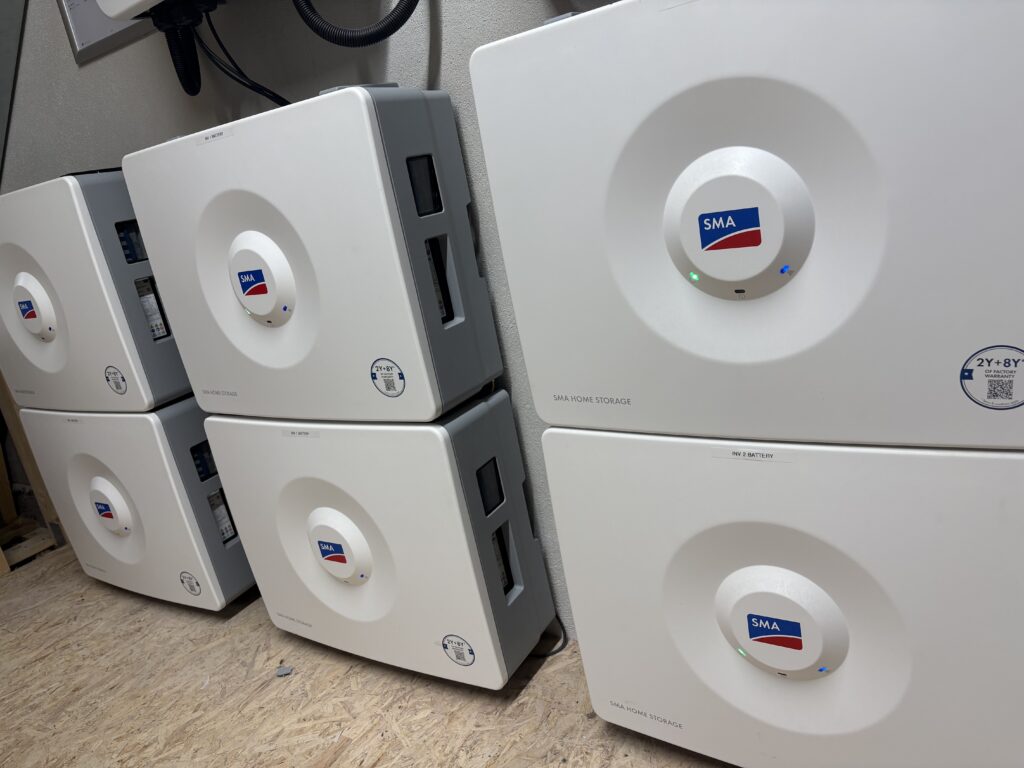
- Solar Battery – A battery which is recharged by your solar PV system during daylight hours, allowing you to store excess energy for use when generation is lower. Solar batteries are essential for off-grid power.
- Solar Irradiance – The amount of solar power received per unit area.
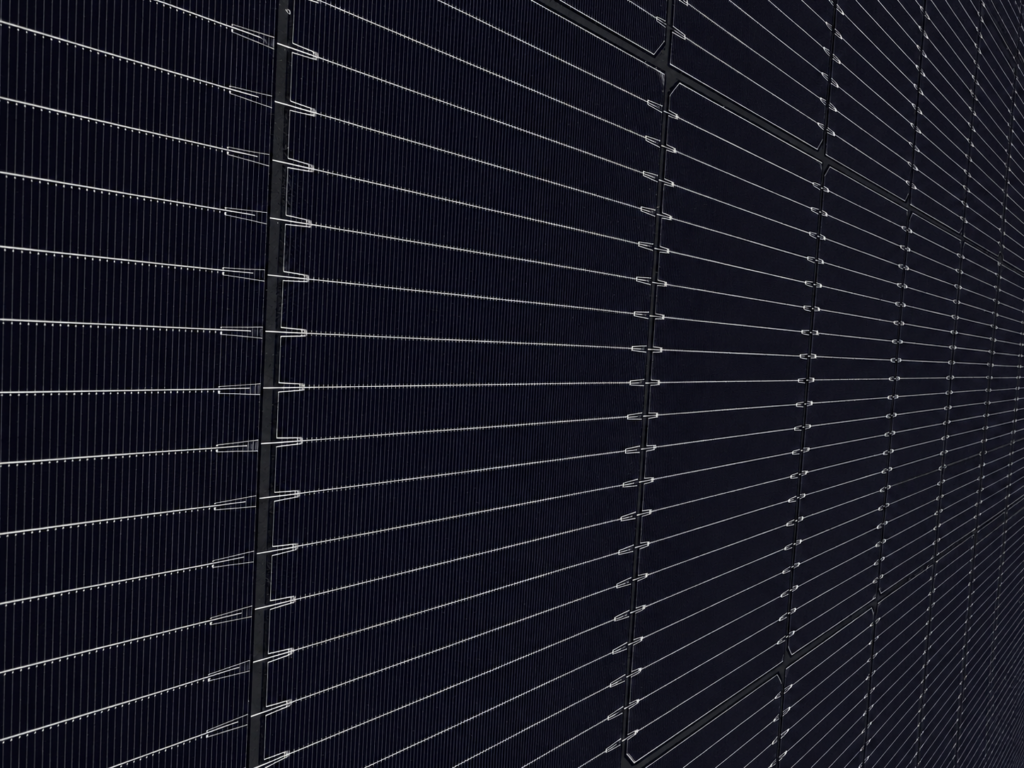
- Solar Panel (Module) – A panel that contains photovoltaic cells and generates electricity from sunlight.
- String Inverter – A type of inverter that connects multiple panels in series.
- Tilt Angle – The angle at which solar panels are mounted to maximise sunlight exposure.
- Time-Of-Use (TOU) Rates – Electricity pricing that varies by time of day.
- Utility Meter – A device that tracks your energy use and solar production.
- Warranty (Product, Performance) – Guarantees on panel longevity and energy production over time.
Why Choose Alternative Energy?
We have 15 years of experience in the solar industry, working across a large range of domestic, commercial and agricultural properties, in Ireland and Northern Ireland. We work closely with every customer to understand their unique energy requirements, designing a PV system which works for them.
If you’d like to understand more about solar PV, download our free guide for homeowners.
Get in touch to book your free solar PV design meeting and see how we can help you reduce your energy costs.