Solar power in Ireland is growing rapidly, now generating enough electricity to meet the needs of 370,000 homes (Scale of Solar 2025), but where did it start and how does it work?
Broadly speaking, there are two main types of solar power: photovoltaic (PV) and thermal. We specialise in solar PV, so we’ll delve deeper into it later.
How do solar systems protect the environment?
The energy we consume every day has to come from somewhere, and we have a reliance on fossil fuels for its production. This releases greenhouse gases, including carbon dioxide, which trap heat in the environment and is leading to global warming. Solar systems convert light from the sun into electricity, with no byproducts or emissions.
If your home is powered by self-generated electricity, you’ll not need as much grid power.
Solar PV vs Solar Thermal: What’s the difference?
Solar thermal involves using specialised solar panels to absorb the heat of the sun to transfer it to your home water supply. This delivers free hot water for use and performs best in summer. Homeowners with solar thermal see savings because they don’t need to rely on immersion heaters for hot water.
Solar PV uses the energy from the sun to create an electric current. This DC current is converted to a usable AC current by an inverter. Your home can then use the self-generated electricity for any electrical appliance.
A Short History of Solar PV
The photovoltaic effect was first discovered in France, in 1839. This early technology was used to produce solar-powered devices. The first solar panels were installed on a New York City rooftop in 1884.
Over the years, technology improvements created more effective solar panels, and mass production was happening by the 1970’s. By 1992 PV cells with 20% efficiency were patented and the transition from a concept to a viable energy solution was underway.
At the turn of the millennium, worldwide solar PV installations had generated over 1 gigawatt of electric power, and Ireland had its first solar panels. By 2010, global generation hit 41.37GW, with Spain the leader in uptake. As of 2024, global solar PV generation reached 1,866.31 GW and China has the largest installed capacity at 877.10 GW.
How Do I Save Money With a Solar PV System?
Every month, you’re spending money on your electricity bills. With solar PV, you can make that money work for you. Instead of paying your supplier, you can pay into your own energy system; once you’ve reached the payback period, all your self-generated electricity is completely free.
If you’re exporting your excess energy back to the grid, you’ll also get paid for the units you’re supplying.
Is Ireland Sunny Enough For Solar PV?
One of the most common solar PV myths is that it needs to be direct sunlight to effectively generate electricity. While generation is highest when the skies are cloudless, the panels work with daylight. Clouds will just diffuse the light, so generation rates might be slightly lower.
In Ireland, we’re lucky to get over 1,000 hours of sunlight annually, so solar PV systems work brilliantly – especially in our long summer days. When panels get too hot, they stop working as efficiently, so the milder weather we experience can be beneficial.
What’s Included in a Solar System?
Most solar PV systems will consist of several essential parts, then you can choose if you’d like any upgrades.
Every PV system must have:
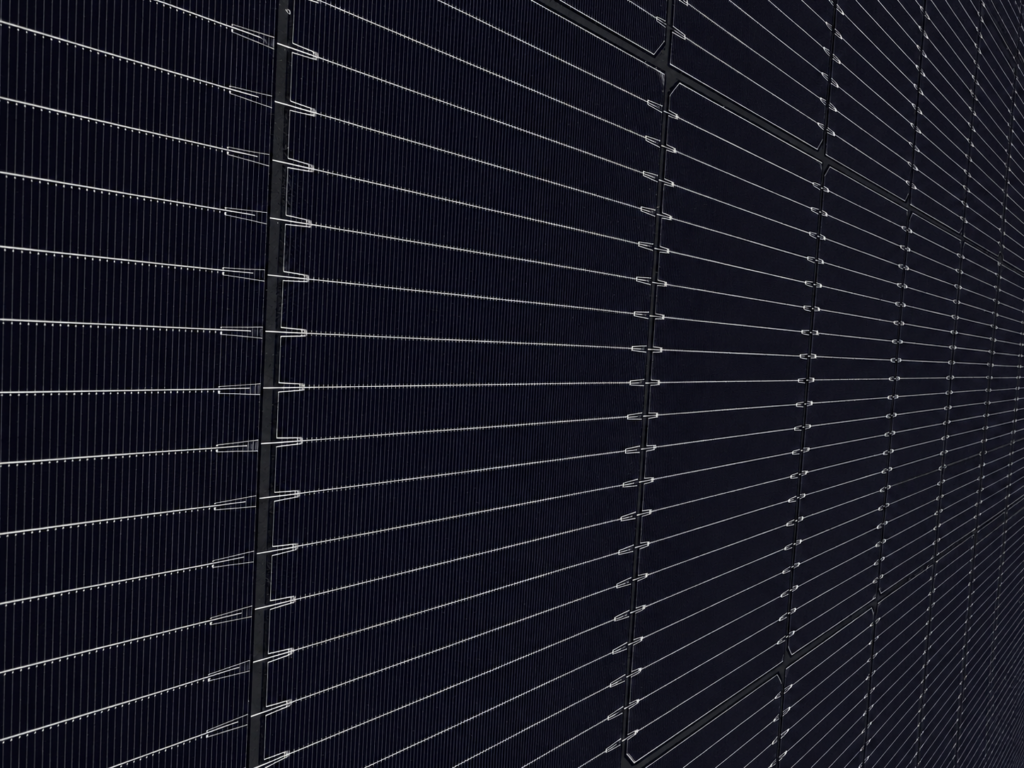
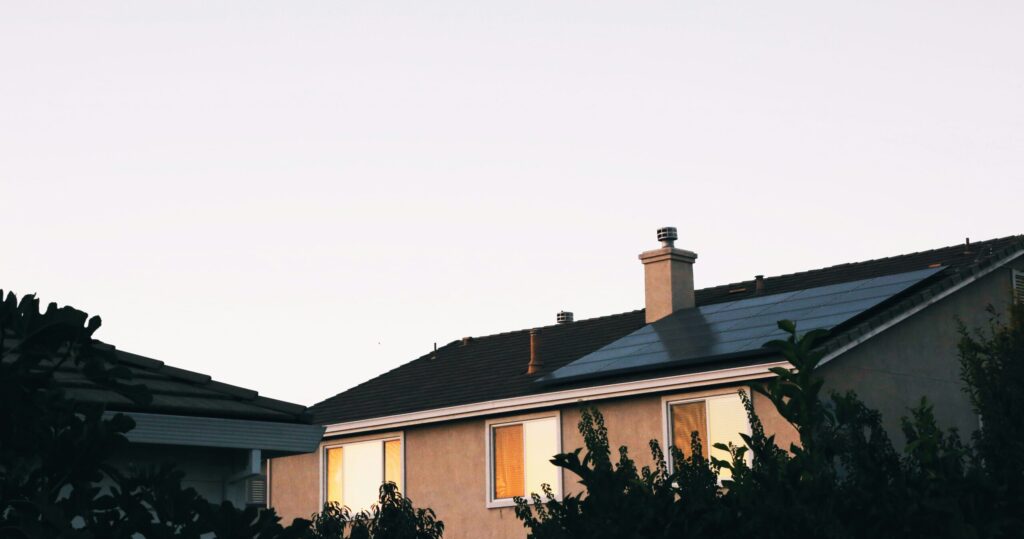
- Solar PV panels: these are what generate the electricity. Now mostly all-black, they attach to rails which are mounted onto your roof. In-roof panels are also available if you’re building a new home or upgrading an existing roof.
- Inverter: panels will produce direct current (DC) but to power your home, this needs to be turned (or inverted) to alternating current. Your inverter is usually installed in an attic or utility room and provides all the system data. All the inverters we install have app connectivity. Depending on your needs, you might have a string or hybrid inverter.
A string inverter is common on most domestic systems. Hybrid inverters are needed for PV systems where a battery is also being included.
You might also want:
- An EV Charger: with over 100,000 electric cars on the roads in Ireland, installing a home charger can make good use of your excess solar power.
- A hot water diverter: essentially a solar powered immersion heater, this will use excess solar power to warm household water. It’s a good alternative to a solar thermal system.
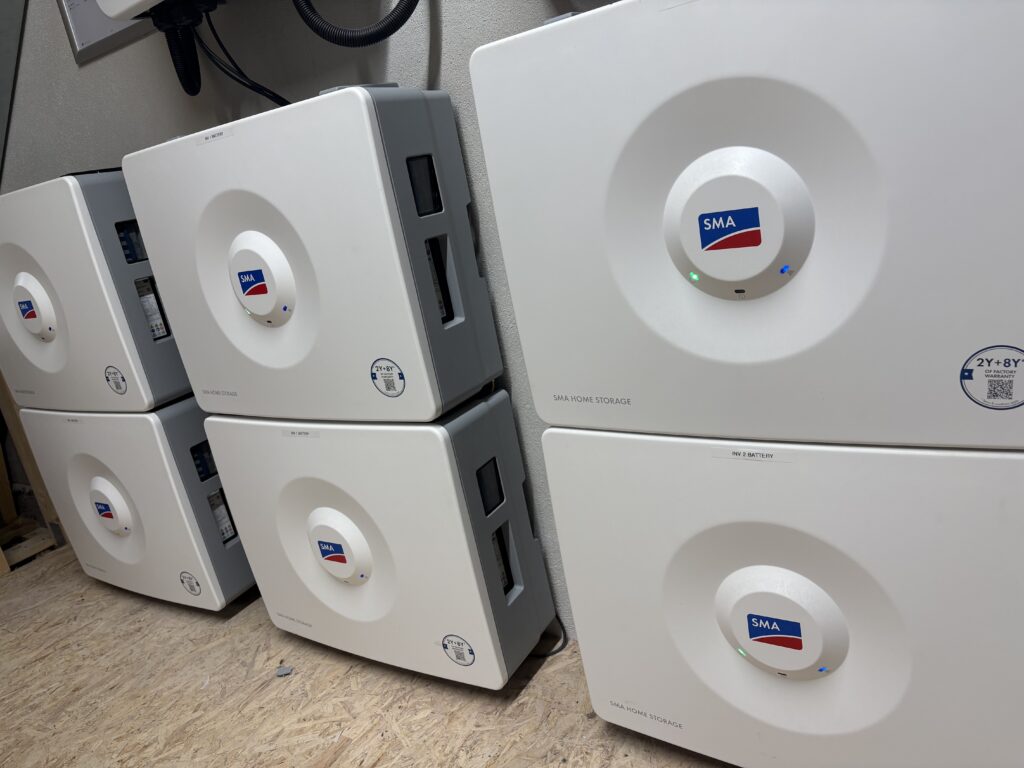
- Battery storage: this allows you to retain your excess energy instead of selling it back to the grid. You can then use this power during the night, or in some cases during a power cut.
- Optimisers: these devices can be added to panels to improve performance, particularly when there is some shading e.g. from trees or chimneys. We’ll assess and recommend if, and where, optimisers might be useful.
What Is The Difference Between Solar PV and Solar Thermal?
Solar PV uses the suns energy to generate electricity; solar thermal uses the energy to heat a water supply.
Do Solar Panels Work In Ireland?
Yes, solar panels work brilliantly in Ireland, particularly during the long summer days.
How Much Energy Can Solar PV Systems Generate In Ireland?
Projected electricity generation varies depending on the size of the PV system, roof orientation and tilt, shading and local weather.
A PV system with eight 440W solar panels should generate between 3,000-3,800 kWh every year. An average home uses 4,500 kWh every year.
What Happens To My Excess Solar Power?
If you’re generating more electricity than you’re using, a few things might happen.
- Sell back to grid: You can earn money for your excess energy
- Store in a battery: Recharge a battery to power your home at a later time
- Charge your EV or heat your water: chargers and hot water diverters can make use of your excess energy
Is A Hybrid Inverter Necessary?
For a basic solar system, a string inverter is going to perform as needed. If you’re thinking about adding on batteries, a hybrid inverter is essential.
Can I Upgrade My Solar PV System?
Yes, we can add batteries, hot water diverters and EV chargers to existing solar PV systems. Depending on the type of inverter you have, this may also need to be upgraded.
How Much Will A Solar System Cost?
Solar costs will vary depending on a few factors, so the best way to get a precise quote is to contact us for a free assessment. Most systems that we install cost around €9,000. This is a typical payback term of around 10 years; however, your energy consumption will also affect this. In Ireland, SEAI grants are available, which will save up to €1,800 off installation costs.
How Much Will I Save With A Solar PV System?
Most solar PV systems will typically save between €800-€1,200 per year. This can increase if you add extras, such as batteries, EV chargers and hot water diverters.
Interested in seeing how much you could save? Get in touch today for a free consultation with one of our energy advisers.